For Families
Your student can become a stronger, more confident reader.
Not every kid who struggles with reading needs the same kind of support. Some are behind. Some are discouraged. Some are ready for more. And some just haven’t found their way into reading yet.
I help families and caregivers understand what's getting in the way and what kind of support could help next.
Why reading feels hard for so many kids
“When kids say ‘I don’t like reading,’ they’re often saying, ‘I find reading hard.’”
Once you understand this, it becomes easier to know what kind of support might help.
Too often, kids pull back before they get enough practice to feel capable. What looks like disinterest may be discouragement: reading feels hard, frustrating, or disconnected from anything they care about.
The goal is not to force a child to love reading overnight. It is to understand what is getting in the way, build skill and confidence, and help reading start to feel possible again.

"Reading becomes more and more awesome as you become stronger at it."
— Gerrit's message to kids who avoid reading
Three ways to support your reader
You can choose one type of support, or combine them. Each family's path looks a little different.
Family consultation
Understanding your child as a reader
A consultation for parents and caregivers of children of any age or grade. Together, we can review reading reports and assessments from school: what they mean, where your child’s strengths are, and what kind of support may help most.
We'll start with a call — no need to send anything ahead of time.
One-on-one sessions
Targeted reading support
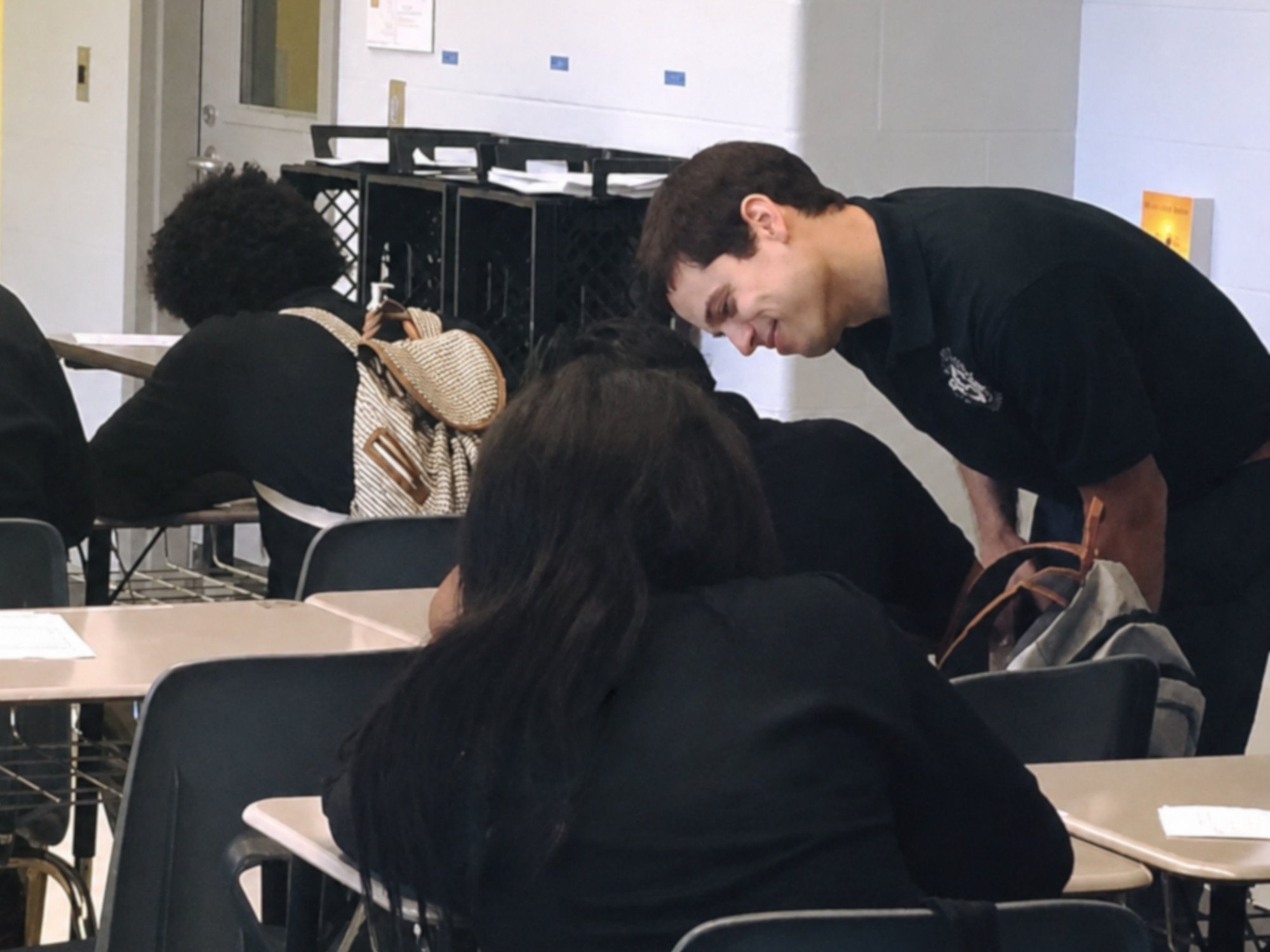
I work with your child in personalized, short-term sessions focused on their specific needs, building both skill and confidence so they can start to see themselves as a reader.
For students in grades 3–12, with a specialty in middle and high school.
Small-group programs
Reading experiences that build engagement
I lead small-group book clubs, guided reading tied to real-world topics, and learning experiences designed to make reading social, meaningful, and enjoyable.
For students in grades 3–12.

What families say
-

The first teacher to ever get my son to love reading.
Josephine
Parent | New Orleans, LA -
In a time where my wife and I felt lost as parents, Gerrit was not only an expert in the mechanics of literacy and understanding the reports my daughter's teacher was sending home — he was a caring guide and a beacon of hope for our daughter.
John-Michael Rouchell
Parent | New Orleans, LA -
Once he taught my first son, I knew I had to make sure my next two had him!
Mrs. Lewis
Parent
Wondering what kind of support would help?
Share what you’re noticing at home, at school, or when your student sits down to read. I’ll help you think through possible next steps.