
Meet Gerrit
Some kids get called "not readers." I've spent nearly twenty years proving otherwise.
That belief has shaped my work across classrooms, schools, and literacy systems around the world. In a field that has focused so much attention on early literacy, older students who still need reading support can be treated as if reading has already passed them by.
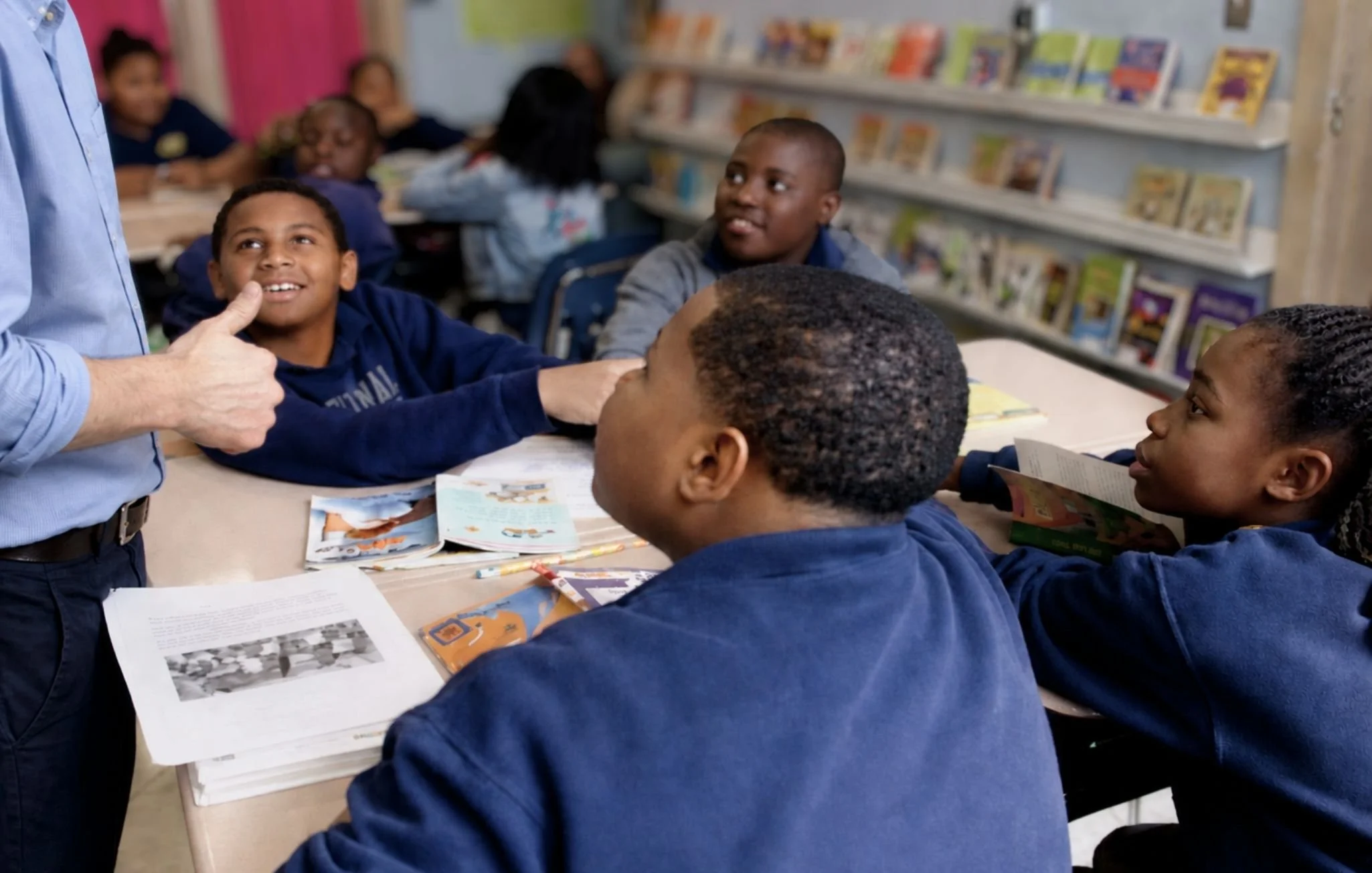
My story is about refusing that assumption. It started in a 5th-grade classroom in post-Katrina New Orleans, where I was handed a class of kids who had been held back and had learned that reading was hard. What we built together changed everything I do.
Where the work began
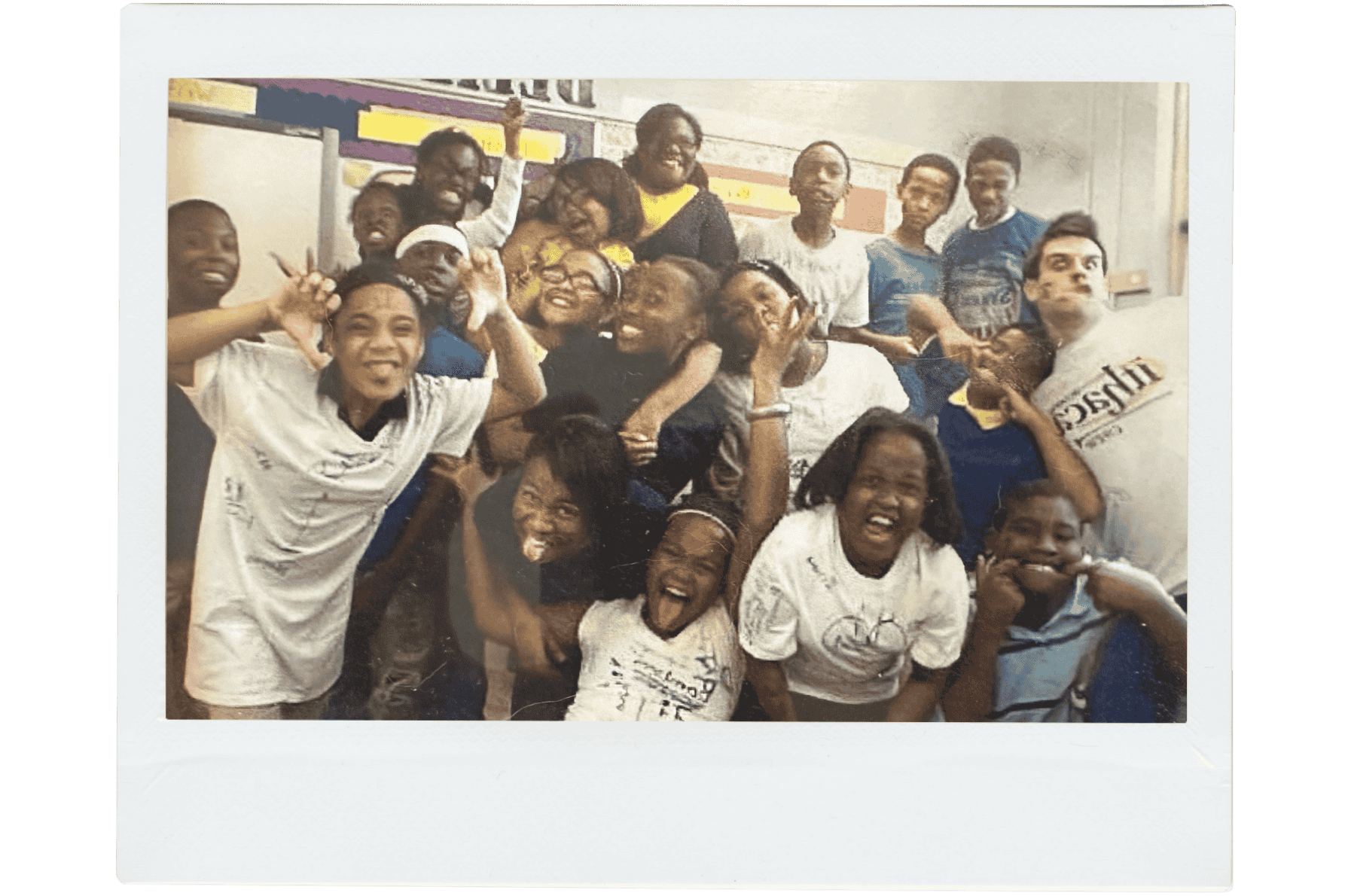
I signed up to teach high school history, but because of the chaos following Hurricane Katrina in New Orleans, I was assigned to teach 5th grade. My class included many students who had failed their 4th-grade tests and been held back — so while the kids were wonderful, most were reading below grade level. Out of self-preservation, many would avoid reading at all costs.
Every day at 11:30, we gathered for a read-aloud, and things did start to click. Students leaned in. They talked. They learned lessons. They noticed cool things that authors did. Reading felt alive.
We built from this. Soon, we started re-reading favorite sections by doing daily fluency. After that, we worked together to read our first novel. With practice and effort (and coaching), students started to take books home and read on their own. I saw reading levels rise. I saw engagement rise.
Our system wasn't perfect yet. But I saw something important.
When students are explicitly taught how to read — and are supported in reading more and more on their own — things change.
What started as one system began to look like a whole culture — from units designed to prove to students just how incredible reading can be, to piloting new strategies that help students read challenging texts, to student-led book clubs, to games where students boasted about who had the best book, to analyzing authors, and even reading tons of books on our own. My work even drew national attention, with my class selected to appear on The Oprah Winfrey Show for the reading culture we built together.
This work has shaped everything I've done since.
Learning what makes change stick
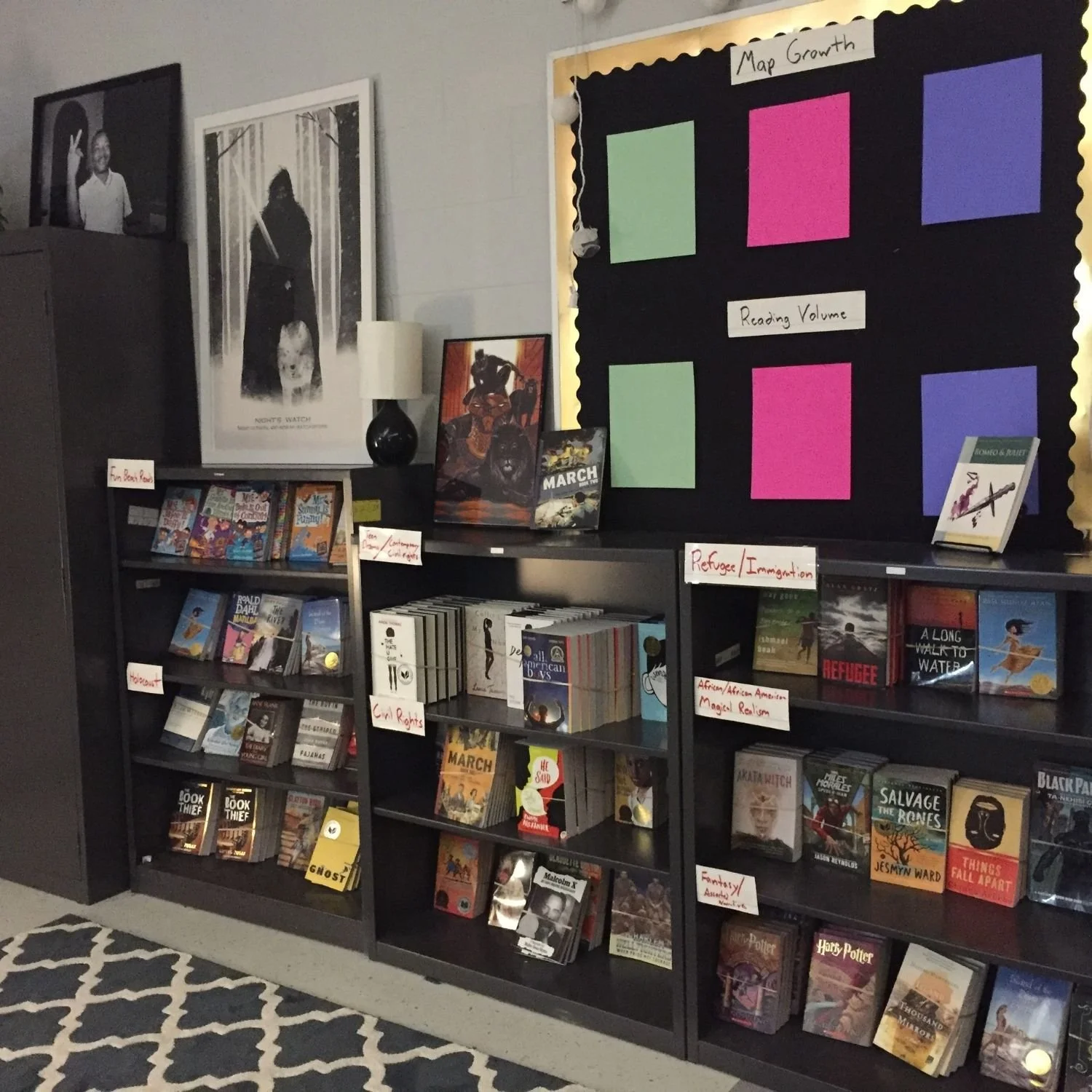
After teaching in New Orleans, I began working with teachers and schools more broadly—supporting classrooms, leading demonstration lessons, developing curriculum, and creating classroom tools teachers could use right away.
In each setting, the work looked different. But the core question stayed the same: how do we help teachers build reading and writing practices that actually carry over into classrooms?
Some of that work was incredibly powerful. Some of it didn't stick. And that mattered.
Over time, I began to see a pattern: strong instruction alone isn't enough. Students need consistent routines, access, and enough practice for reading to become something they can actually keep doing.
Curious how this approach could work for your school, classroom, or family?
Literacy systems around the world
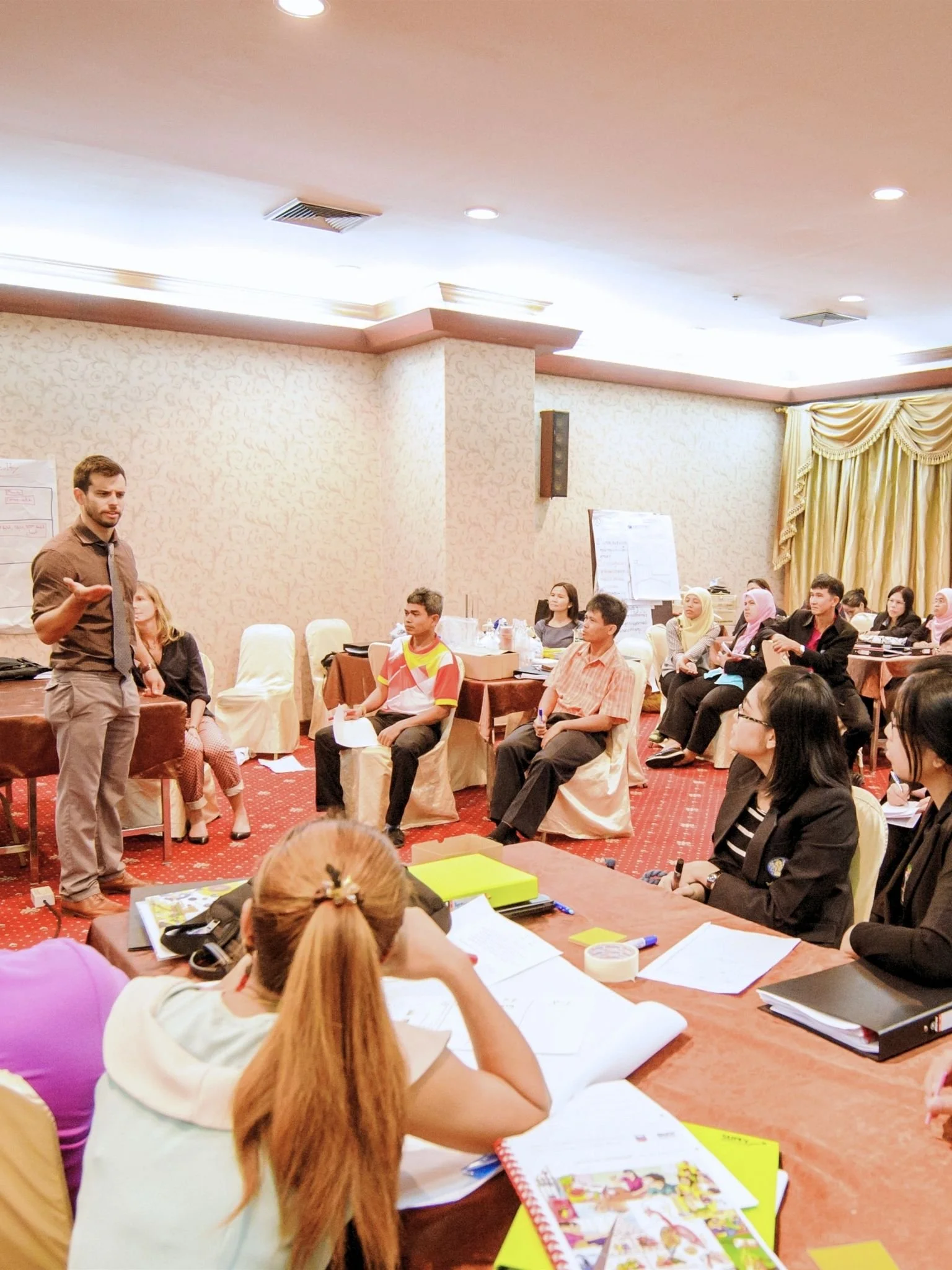
As a Literacy Specialist and Senior Project Developer at Columbia University, I spent three years building literacy infrastructure across continents.
In Saudi Arabia, I led a four-year project focused on narrative writing, teacher leadership, and curriculum design that resulted in lasting changes to how writing was taught across the system.
In Thailand, I built an instructional coaching pipeline supporting teacher leaders across seven provinces. In Poland, I helped found a teachers college focused on training teachers in classrooms—not in lectures. I also worked with educators in Lebanon, Nigeria, and beyond.
Across all of it, the work stayed grounded in the same goal: helping strong reading and writing practices take root in real classrooms.
After three years, I came home. I wanted to put what I'd learned into practice in American schools—and to focus that work where I could see it day to day.
Beyond the classroom
My work has always been about attention: helping students slow down, notice more, ask better questions, and make meaning from what they see.
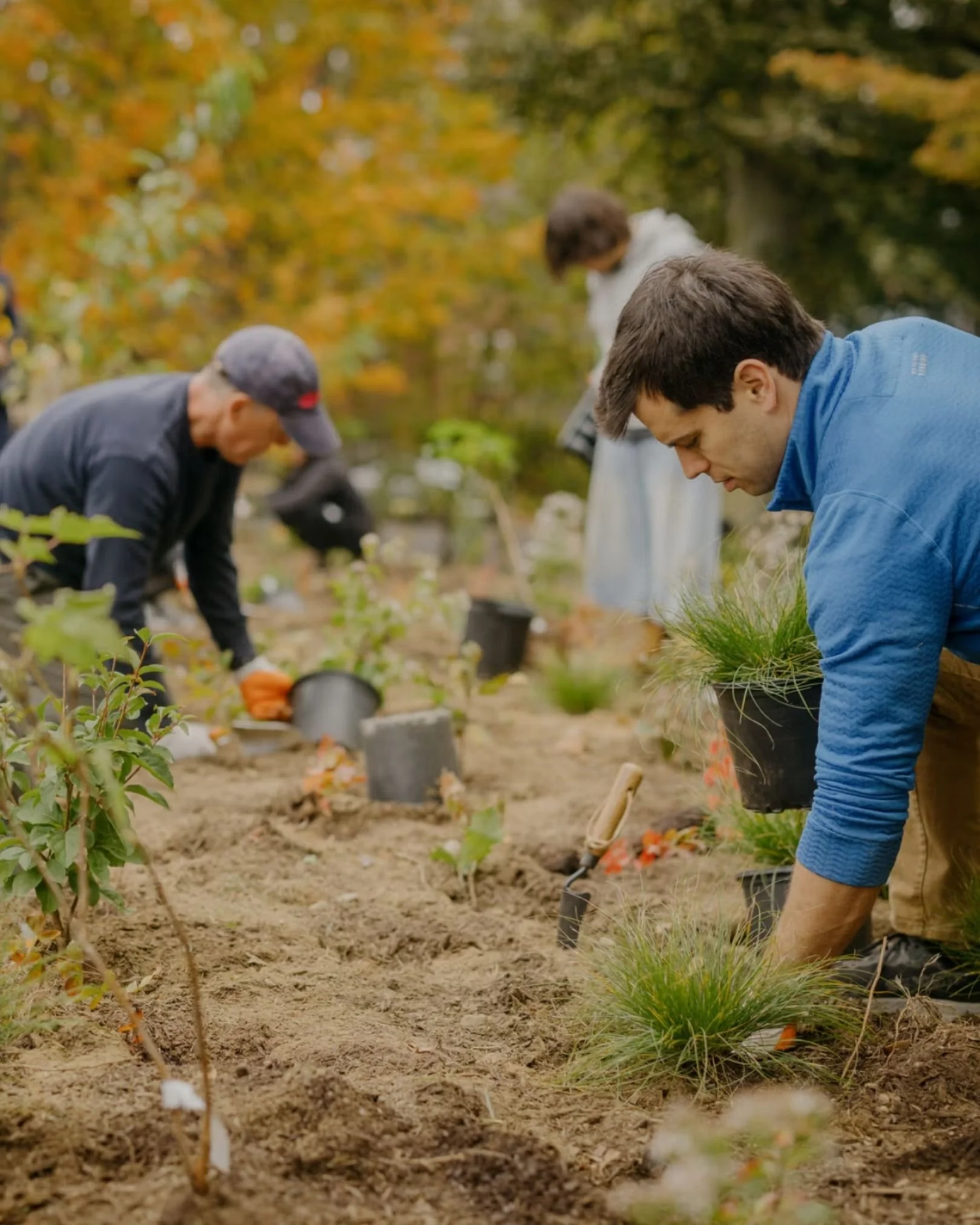
That same idea now shapes The Yaupon Project, my nonprofit work restoring native ecosystems in overlooked urban spaces through hands-on community learning.
Different setting, same belief: people care more when they understand what they’re part of.